Based: Cape Town | Johannesburg | Durban
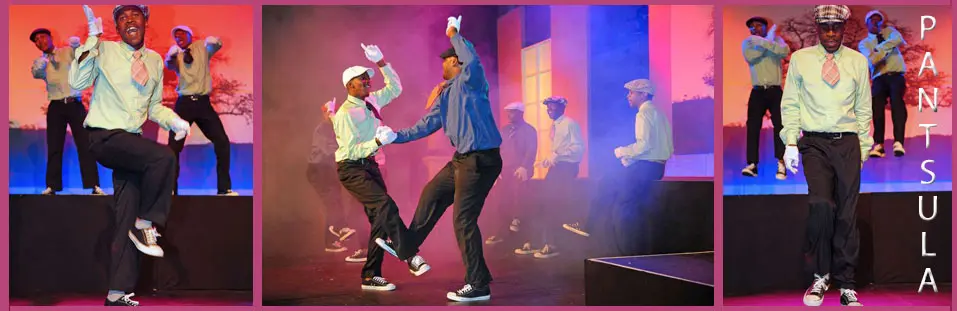
Pantsula Dancers represent one of South Africa’s most energetic and culturally significant urban dance forms, rooted in the township communities of the 20th century. Pantsula evolved as a social and political expression during the apartheid era — emerging from towns like Sophiatown and Alexandra as a response to social conditions and political repression — and has since become a celebrated symbol of South African street culture, rhythm and identity.
The word “pantsula” comes from isiZulu, meaning roughly “to waddle like a duck,” and the style is characterised by quick‑stepping, low‑to‑the‑ground footwork, rhythmic group formations, playful gestures and dynamic interplay among dancers. Originally performed to live music and voices on the streets, pantsula later intertwined with urban genres like kwaito and contemporary sounds, helping it thrive from township gatherings to international stages.
More than just a dance, pantsula is a community movement, expressing freedom, resilience and creative storytelling. Dancers historically communicated social commentary through movement and choreography, often reflecting the lived realities of their neighbourhoods while pushing artistic boundaries.
Today’s Pantsula Dancers bring this tradition forward with modern flair and cultural pride, blending traditional township style with contemporary influences. Their performances are ideal for festivals, cultural showcases, corporate events and celebrations where South African heritage and rhythmic energy are highlighted.
Pantsula dancers
Pantsula dancers